SiLENT FLIGHT – Accelerating electric aviation with circular batteries and higher energy density
Mobility plays a major role in the energy transition. To position electric transport as a fully-fledged alternative to the use of fossil fuels, the development of innovative battery systems is essential.
In aviation, weight is a critical factor. Aircraft must be as light as possible, as additional weight has significant disadvantages. This is even more pronounced in aviation than in many other sectors. Although electric motors operate efficiently, the high weight of current batteries does not yet offset these advantages. As a result, battery‑electric aircraft are currently limited to short distances and low payloads.
Projectinformation:
- Project name: SiLENT FLIGHT
- Duration: 1 February 2026 – 31 January 2029
- Status of financing: Funding decision received; the project has started.
Why SiLENT FLIGHT?
To achieve economic viability, the high energy densities that lithium‑ion batteries with silicon anodes can deliver are essential. However, silicon still has critical drawbacks in terms of lifetime (number of cycles) and the ability to deliver sustained burst power, both of which are necessary for effective use in battery‑electric aviation. In addition, battery recyclability is still only marginally considered during the design phase, making material recovery highly inefficient. SiLENT FLIGHT was established to introduce solutions that increase energy density and safety, thereby accelerating the development of electric aviation.
What is ‘SiLENT FLIGHT’?
SiLENT FLIGHT stands for Silicon-based Lithium-ion batteries for ENergy-dense Thrust for FLIGHT. The project focuses on the development of a certifiable, modular lithium‑ion battery system that enables longer flight ranges and sustained peak power. The complexity of internal battery processes, as well as safety and circularity, are guiding principles throughout the project.A circular pack design will make repair and disassembly easier. In addition, the project explores how the battery pack can be given a load‑bearing function to further reduce weight. Through SiLENT FLIGHT, the consortium contributes to CO₂ and noise reduction in aviation.
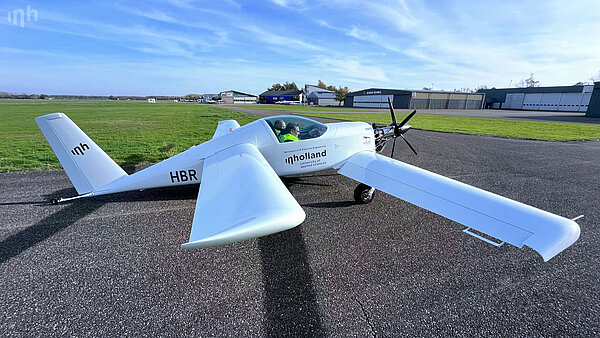
Within this consortium, Inholland University of Applied Sciences Delft and EagleBAT join forces. EagleBAT’s in‑depth battery and materials expertise is combined with Inholland’s system, integration and certification knowledge within the Aeronautical Engineering programme. This unique collaboration makes it possible to directly link applied research to Inholland’s flying technology demonstrators, accelerating the transition of innovations towards practical application and certification.

What are the outcomes?
- A new generation of innovative battery technology for electric aviation.
- Knowledge on applying this technology in aircraft structures.
- A modular, certifiable battery module with a higher degree of circularity and energy density.
- A validation platform suitable for electrically flying technology demonstrators using new battery technology.
- Certification knowledge regarding the applicability of new battery technology in aircraft.
- SiLENT FLIGHT contributes to the objectives of the National Growth Fund programme Circular Batteries, strengthens strategic autonomy, and reinforces the competitiveness of the Dutch manufacturing industry.
In this project, TNO is responsible for coordination, with the following partners involved: